Mana Shankara Vara Prasad Garu Review: A Deep Dive into Performance, Story, and Impact
The film “Mana Shankara Vara Prasad Garu” has sparked curiosity among audiences who enjoy character-driven storytelling blended with emotional depth and cultural nuance. At its core, the movie attempts to present a layered narrative centered around human values, personal struggles, and the evolving dynamics of relationships in a modern yet tradition-bound society. While the title itself hints at a personal or biographical tone, the film unfolds as a broader commentary on identity, dignity, and resilience. In this review, we’ll explore how effectively the film delivers on its promise, analyzing its story, performances, direction, technical aspects, and overall impact on viewers.
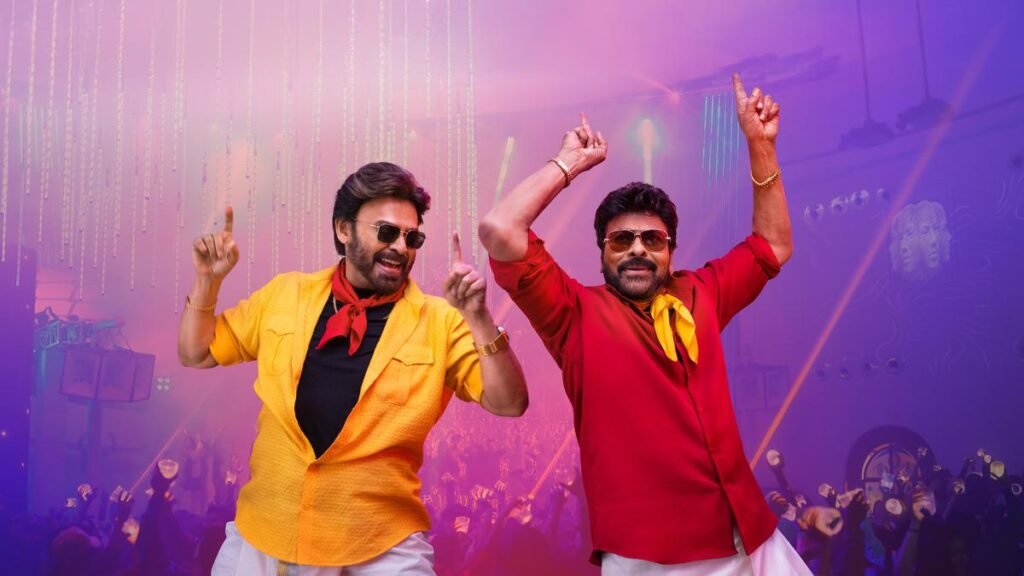
To begin with, the storyline of “Mana Shankara Vara Prasad Garu” follows the journey of a central character who embodies both strength and vulnerability. The narrative structure leans toward a slow-burn approach, allowing audiences to gradually immerse themselves in the protagonist’s life. Rather than relying heavily on dramatic twists, the film prioritizes emotional authenticity and realism. This approach may not appeal to viewers seeking fast-paced entertainment, but it resonates strongly with those who appreciate thoughtful storytelling. The writing captures everyday struggles and moral dilemmas with a sense of sincerity, making the characters feel relatable and grounded.
The characterization is one of the film’s strongest aspects. The protagonist is portrayed with remarkable depth, reflecting a blend of traditional values and contemporary challenges. His journey is not just external but deeply internal, exploring themes such as self-worth, responsibility, and societal expectations. Supporting characters are also given meaningful arcs, contributing to the narrative rather than merely serving as background elements. Each character adds a unique perspective, enriching the overall storytelling and reinforcing the film’s thematic core.
When it comes to performances, the cast delivers commendable work. The lead actor brings a nuanced portrayal that captures the emotional spectrum of the character. Subtle expressions, body language, and dialogue delivery all contribute to a convincing performance that anchors the film. Supporting actors complement this performance effectively, ensuring that the emotional tone remains consistent throughout. The chemistry between characters feels natural, which further enhances the authenticity of the narrative.
Direction plays a crucial role in shaping the film’s identity, and in this case, it reflects a clear vision. The director opts for a restrained and realistic style, avoiding unnecessary dramatization. This choice allows the story to unfold organically, giving audiences the space to connect with the characters on a deeper level. The pacing, however, can feel uneven at times. While the deliberate tempo works well in building emotional depth, certain segments could have benefited from tighter editing to maintain engagement.
The cinematography deserves special mention for its ability to capture the essence of the film’s setting. Visuals are crafted with care, using natural lighting and thoughtful framing to enhance the mood of each scene. The use of locations adds authenticity, grounding the story in a believable environment. Rather than relying on flashy visuals, the film focuses on creating an immersive atmosphere that complements its narrative style.
Music and background score play a subtle yet significant role in the film. Instead of overpowering the scenes, the music supports the emotional undertones, enhancing key moments without drawing attention away from the story. Songs, if present, are integrated in a way that feels organic rather than forced. The background score effectively amplifies tension and emotion, contributing to the overall viewing experience.
One of the notable strengths of “Mana Shankara Vara Prasad Garu” is its thematic depth. The film explores universal themes such as family, respect, perseverance, and the search for meaning. It also touches upon societal issues, presenting them in a way that encourages reflection rather than preaching. This balanced approach makes the film both engaging and thought-provoking, appealing to a wide range of audiences.
However, the film is not without its shortcomings. The pacing, as mentioned earlier, may test the patience of some viewers. Additionally, certain narrative elements feel predictable, which slightly diminishes the impact of key moments. While the focus on realism is commendable, a bit more dramatic tension could have elevated the storytelling. Despite these minor flaws, the film manages to hold its ground through strong performances and a compelling emotional core.
Audience reception for “Mana Shankara Vara Prasad Garu” has been largely positive among those who appreciate meaningful cinema. Viewers have praised the film for its authenticity, character depth, and emotional resonance. It has particularly struck a chord with audiences who value stories that reflect real-life experiences and moral complexities. On the other hand, some viewers have expressed a desire for a more engaging pace and sharper narrative structure.
In comparison to mainstream commercial films, this movie stands out for its focus on substance over spectacle. It does not rely on high-octane action or exaggerated drama to capture attention. Instead, it invests in storytelling that is introspective and character-driven. This makes it a refreshing addition to the cinematic landscape, offering an alternative to formulaic narratives.
The film also highlights the importance of cultural identity and values. Through its characters and situations, it emphasizes the significance of staying true to one’s roots while adapting to changing circumstances. This theme is particularly relevant in today’s fast-paced world, where traditional values often clash with modern aspirations. By addressing this conflict, the film adds another layer of depth to its narrative.
Another aspect worth noting is the dialogue writing. Conversations feel natural and meaningful, reflecting the characters’ personalities and emotions. The dialogues avoid unnecessary complexity, opting instead for clarity and impact. This approach enhances the film’s realism and makes it more accessible to a broader audience.
From a technical standpoint, the film maintains a consistent quality across departments. Editing, while occasionally slow, supports the overall tone of the movie. Sound design is effective, ensuring that every element contributes to the storytelling. The production design also deserves credit for creating a believable and immersive setting.
Ultimately, “Mana Shankara Vara Prasad Garu” is a film that prioritizes emotional depth and authenticity over conventional entertainment. It may not cater to everyone’s taste, but it offers a rewarding experience for those willing to engage with its narrative. The film’s strengths lie in its performances, thematic richness, and realistic approach to storytelling.
In conclusion, this movie stands as a testament to the power of simple yet meaningful storytelling. It reminds us that cinema does not always need grand spectacles to leave an impact. Sometimes, a well-told story with relatable characters and genuine emotions is enough to create a lasting impression. “Mana Shankara Vara Prasad Garu” succeeds in doing just that, making it a noteworthy addition to contemporary cinema. Whether you are a fan of character-driven dramas or simply looking for a film that offers substance, this movie is worth watching for its sincerity and depth.
About The Author
